
Finwaver.com
Your school or business runs better on finwaver.com. Sign up for free one (1) week try.
1.
Which of the following is not an element of design?
Unity
Line
Form
Space
2.
Which of the following design elements can be used to create heads in a crowd?
Space
Dot
Line
Texture
3.
A plan for arranging elements to produce a meaningful work of art is known as ......
Innovation
Art
Design
Concept
4.
Which of the following is not influenced by the Kingfisher?
Shinkansen Bullet Train
Needle
Concorde's droop nose' airplane
Long-nose plier
5.
The skin of a tiger can be associated with which of these elements?
Dot
Line
Form
Shape
6.
The size of elements when they are put besides one another is known as ......
rhythm
emphasis
proportion
balance
7.
...... is the way the surface of an object feels when it is touched or is made to feel when one looks at it.
Texture
Space
Proportion
Form
8.
The repetition of a number of elements of design to form a design is ......
rhythm
pattern
emphasis
proportion
9.
The following design tools are manual tools except
pencil
pens
designing software on a computer
crayons
10.
A drawing or painting that focuses on still objects is known as ......
still-life drawing
sketch drawing
animate drawing
motion drawing
11.
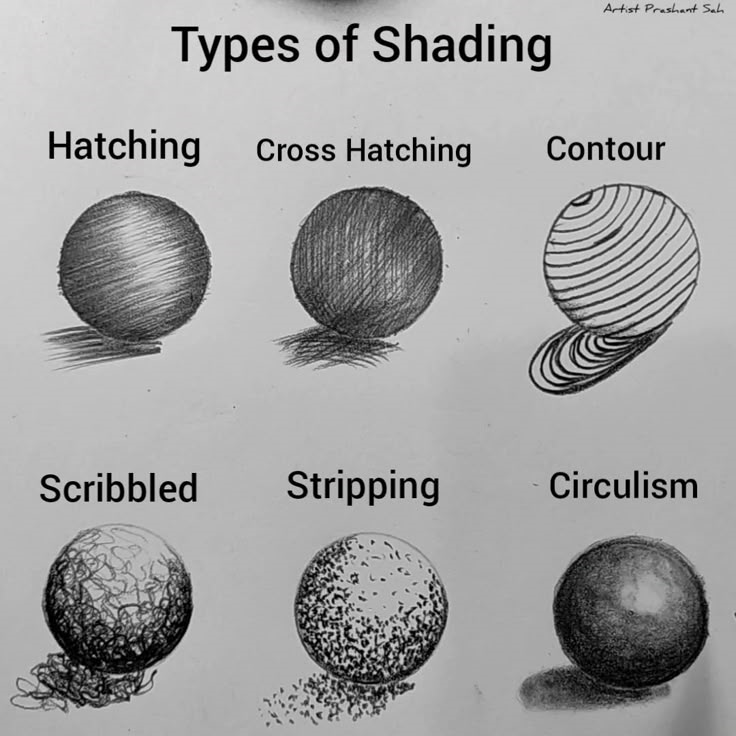
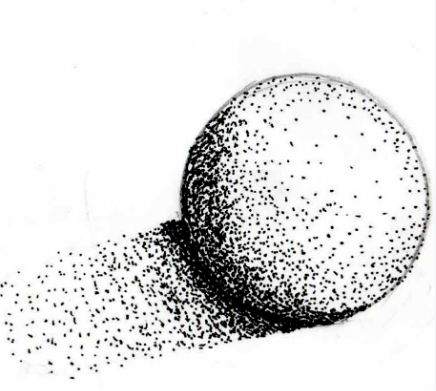
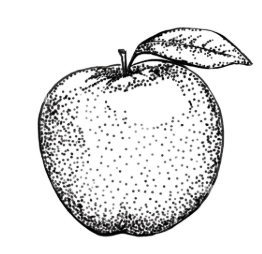
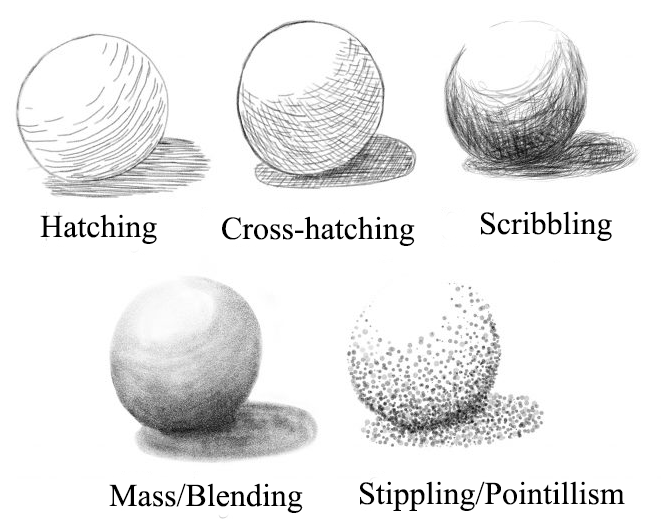
Marmah applied many small dots to build up darker values in her artwork. The shading technique she used was ......
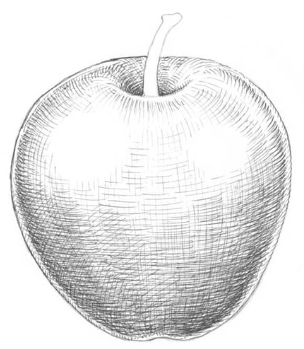
hatching
cross-hatching
stippling
blending
12.
Amuzu was tasked to prepare a paper pulp. After soaking the shredded paper in water, he must add ......
clay
glue
paint
spirit
13.
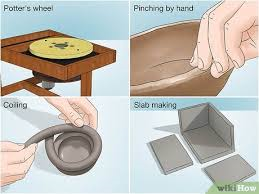
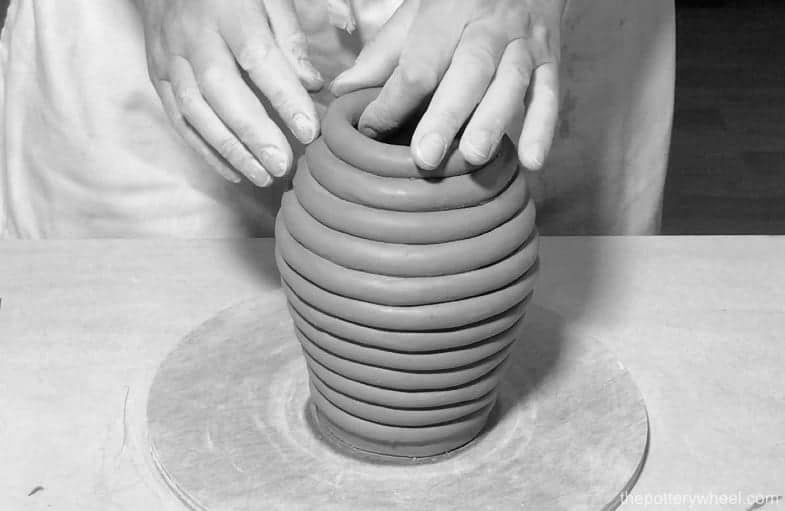
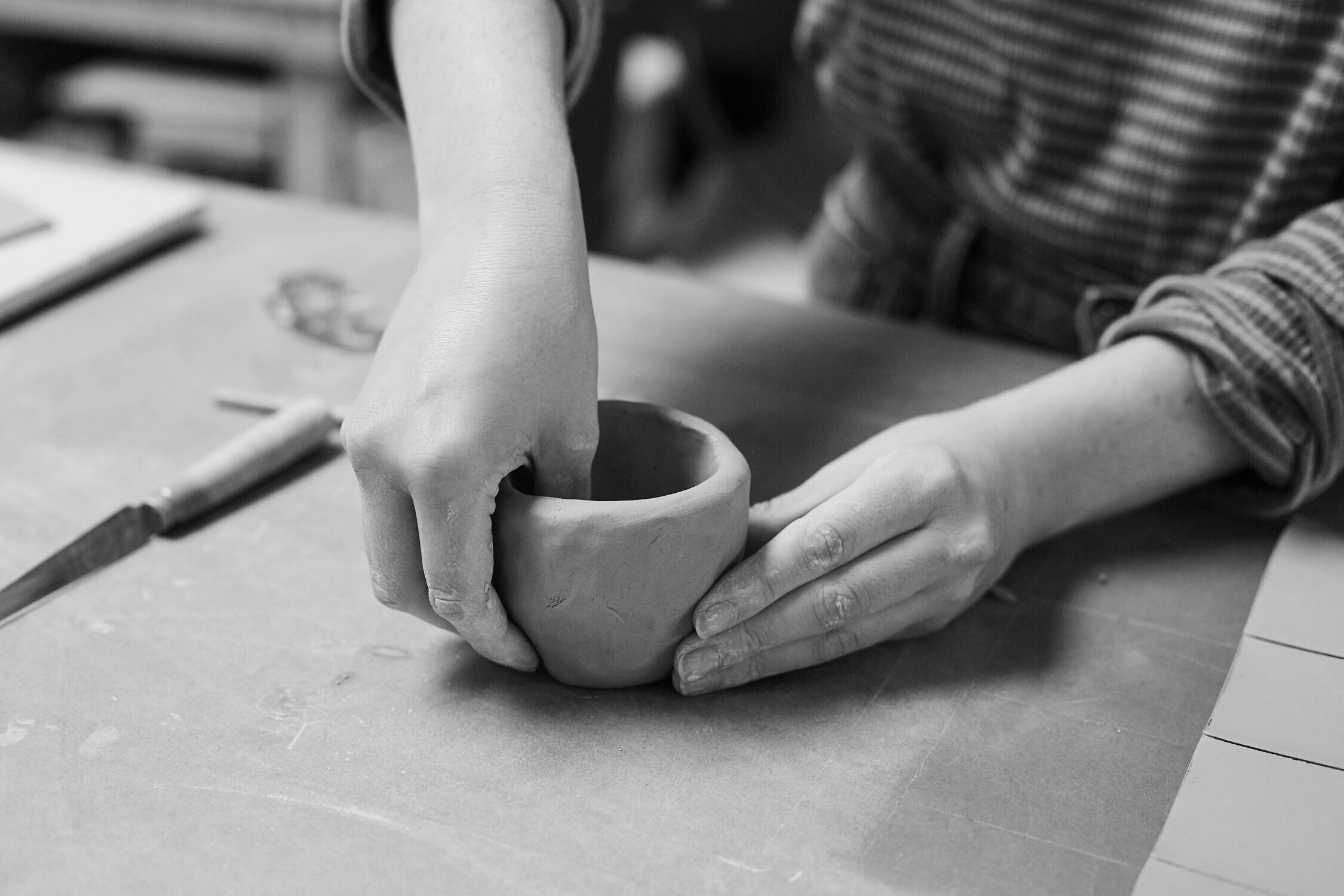
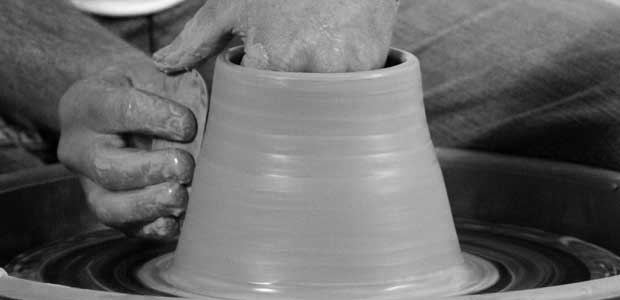
In a modelling exercise, Adjei placed his thumb into the middle of a clay and using his index finger and the thumb to grip the clay, he created a wall of even thickness as the ball is gradually rotated. Which of the following modelling techniques was Adjei using?
Incising
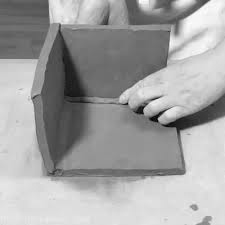
Slabbing
Coiling
Pinching
14.
A school employed someone to lead and direct the school's musical choir to ensure a unified and expressive performance through gestures and musical interpretation for an upcoming speech and prize giving day.
The technical name for the person is
instructor
conductor
choreographer
producer
15.
Identify the number of semiquavers that make a semibreve.
6
12
8
16
16.
Dancing movements that do not result in a displacement of body posture in terms of place is known as ......
Non-locomotor movements
Locomotor movements
Static movements
Dynamic movements
17.
In Adowa and Kete dance, when a dancer clasps the hands behind the back, it signifies that he/she is
lonely
happy
in trouble
in love
18.
In Adowa and Kete dance, when a dancer taps or swings the hands, it signifies that he/she is
happy
in trouble
in pain
hungry
19.
The Agbekor song is sung during ......
wedding
funeral
preparation for war
outdooring
20.
The Klama song is sung
when there is preparation for a battle
to celebrate when the young women return from the elders who trained them
during wedding
during funeral
21.
The process of turning ideas into practical, valuable solutions is known as ......
innovation
creativity
technology
branding
22.
Moro is designing an artwork. He is at the stage of exploring the environment to look for what has been done already about the idea he is working on. At what design steps is Moro?
Ideation
Idea development
Research
Producing a prototype
23.
The following are types of textile weaves except
plain weave
twill
coil weave
satin
24.
After a creative art class, Akosua was using the Italian term allegro. What speed of music is Akosua describing?
Very slow
Fast
Little by little
Leisurely
25.
The loudness or softness of music is known as ......
pitch
intensity
dynamics
frequency
26.
During a musical lesson in the creative arts and design class, Kwabena heard the Italian term piano. The term piano means ......
soft
moderately soft
loud
moderately loud
27.
Which motif structure best defines ternary form?
AABB
AB
ABA
ABCB
28.
The structure of binary form features ......
Two related sections, often repeated (AB, AABB)
Three sections (ABA)
Five sections (ABCDA)
Six sections (ABABAB)
29.
...... refers to a composition that is free in form and often improvisational in nature.
Free fantasia
Binary
Ternary
Rondo
30.
Which of the following Ghanaian dances is a war dance?
Kpanlogo
Adowa
Agbadza
Kete
31.
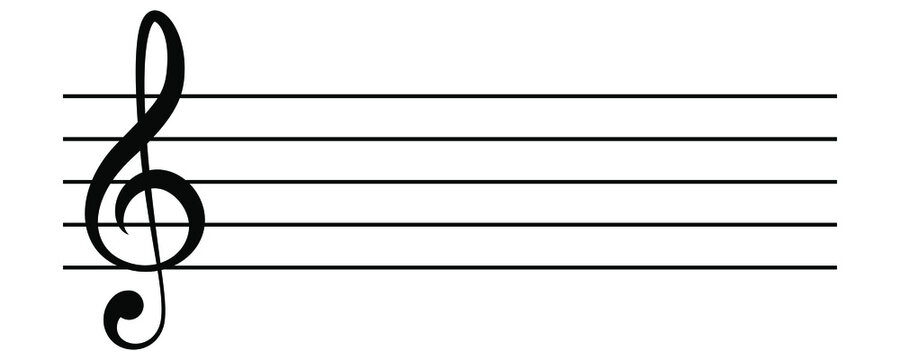
A ...... consists of five horizontal lines, evenly spaced, and each note is placed on the line or space that corresponds to its pitch
manuscript
minim
beat
staff
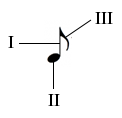
The figure above is a labelled parts of a musical note.
Use the figure to answer questions 32 to 34.
32.
The part labelled I is ......
stem
beam
flag
head
33.
The part labelled II is ......
stem
beam
flag
head
34.
The part labelled III is ......
stem
beam
flag
head
35.
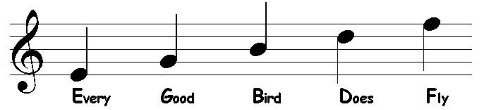
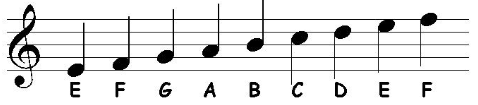
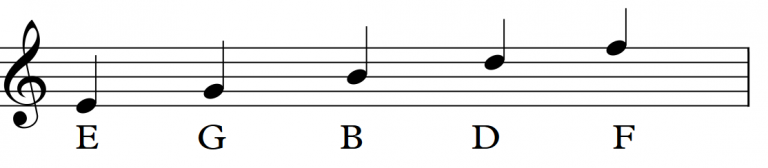
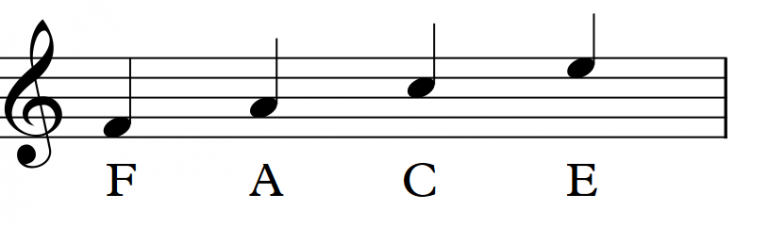
Which of the following are the notes on the lines of the treble clef staff?
F, A, C, E
A, C, E, G
E, G, B, D, F
G, B, D, F, A
36.

The symbol above can signify:
I. Low-pitched notes
II. High-pitched notes
III. Space notes A, C, E, G
IV. Line notes E, G, B, D, F
I only
I and III only
II, III, and IV only
II and IV only
37.
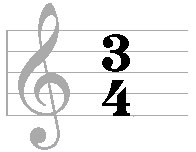
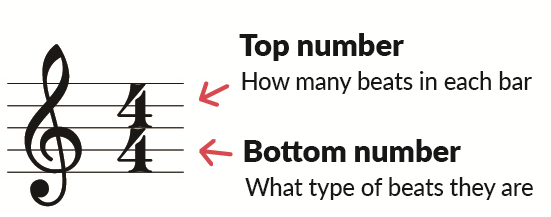
Which of the following best describes the above time signature?
Contains 3 crotchets per bar
Contains 4 crotchets per bar
Contains 3 quavers per bar
Contains 4 quavers per bar
38.
The main character in a drama is called ......
cast
antagonist
actor
protagonist
39.
A speech that starts the play is called ......
epilogue
abstract
introduction
prologue
40.
Ghana's coat of arms was designed by ......
Ablade Glover
Theodosia Salome Okoh
Nii Amon Kotei
El Anatsui
PAPER 2
1 hour 20 minutes
Paper 2 is in three sections: A, B and C. Answer four questions only: Two questions in section A using the spaces provided in the question paper: One question each from section B and C to be answered in the answer booklet provided.
SECTION A
40 minutes
VISUAL ART
[30 marks]
Answer two questions only from this section, question 1 and any other.
(a)
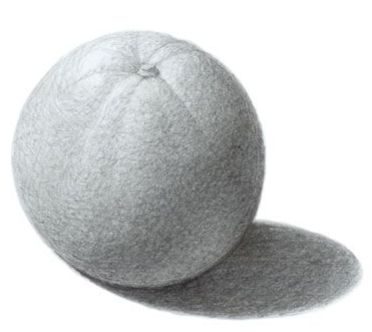
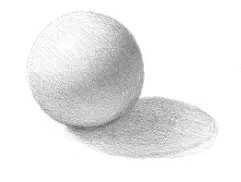
Using crayon or colour pencil, draw an orange in the space provided and render it solid using the mass shading technique
(b)
In the spaces provided below, draw any two different natural objects that are round or oval in shape.
Use the stippling technique to shade the drawn object in Box 'A' and hatching technique to shade the other in Box 'B'.
BOX A
BOX B
A Creative Art and Design teacher assigned the class to create models of simple shapes and forms for appreciation and sharing.
(a)
(i)
What is the meaning of appreciation?
(ii)
State three ways the student can appreciate each other's artwork.
(iii)
State three importance of appreciation.
(b)
Describe how a student will prepare a clay for the model.
(c)
Describe how a student will prepare a paper-pulp for the model.
(d)
State and explain any two modelling techniques a student could use to create the model.
(e)
State three ways of maintaining the tools used for the model.
(a)
Line is one of the key elements of design that could be used in the production of artwork.
(i)
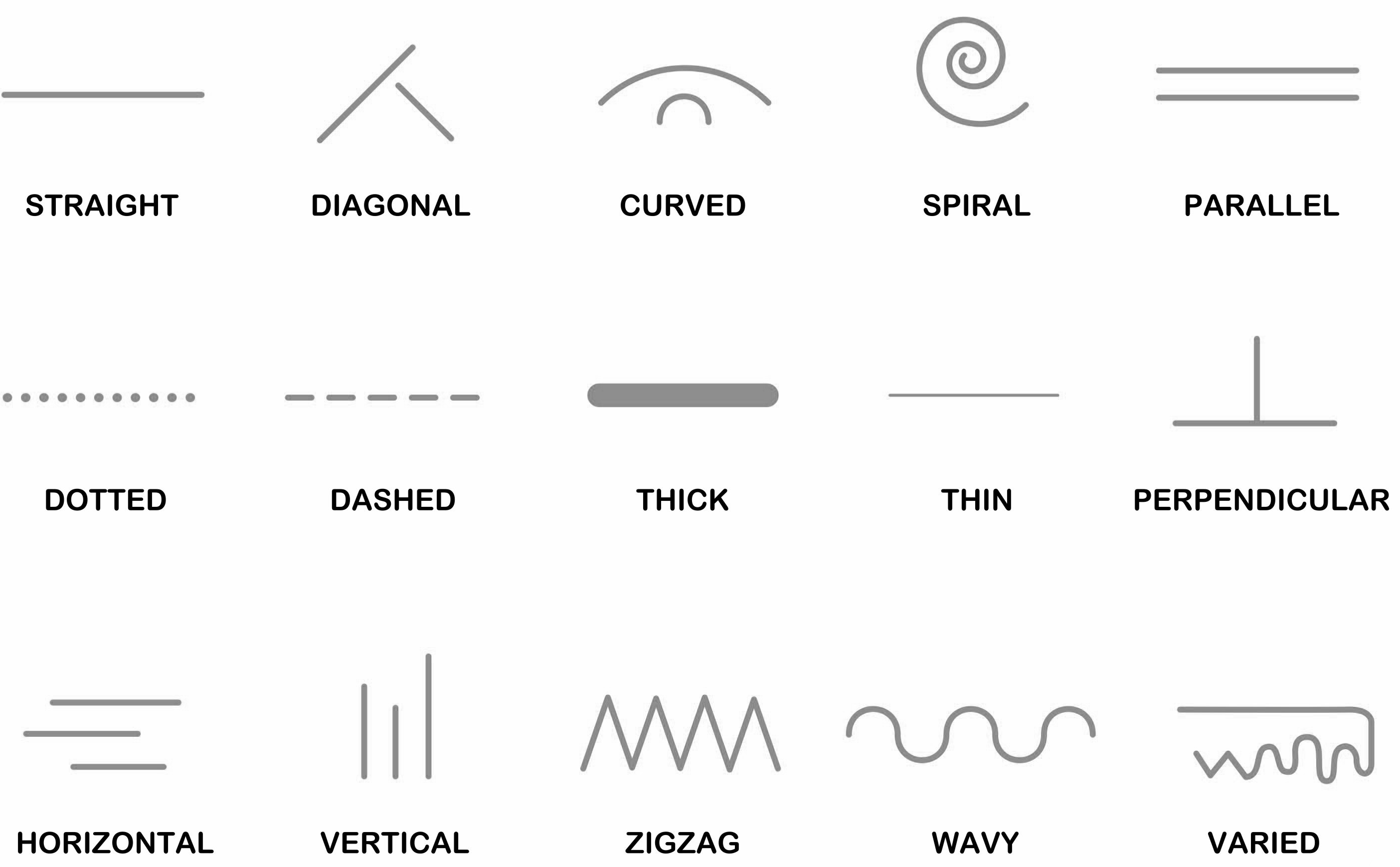
State two characteristics of line.
(ii)
With the aid of drawing, state three types of line.
(iii)
State two examples of line in nature.
(iv)
State three uses of line.
(b)
Imagine yourself in a Creative Art and Design class, and you are to use colour to produce an artwork for an exhibition.
(i)
State the three main classification of colours and give one example each.
(ii)
State two colours you might use and their emotional meaning.
(iii)
State three uses of colours in your artwork
SECTION B
MUSIC
[15 marks]
40 minutes
Answer only one question from this section.
(a)
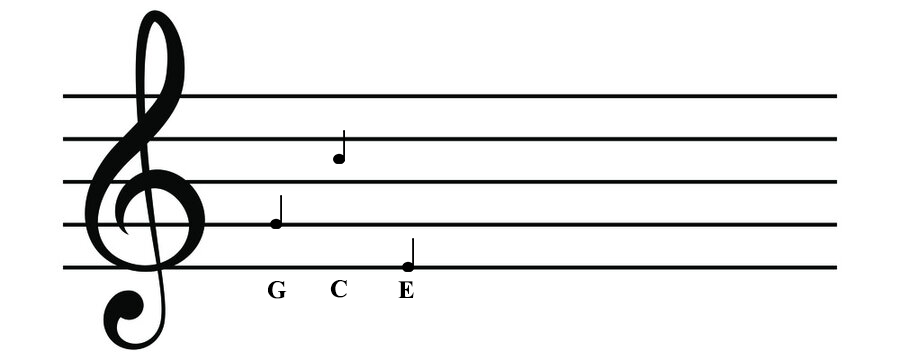
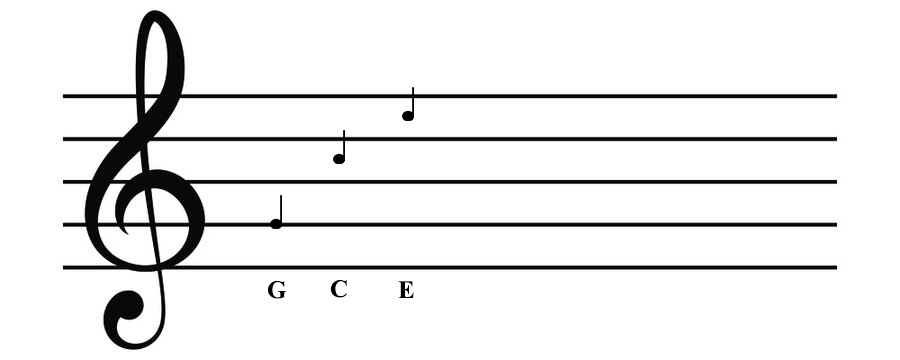
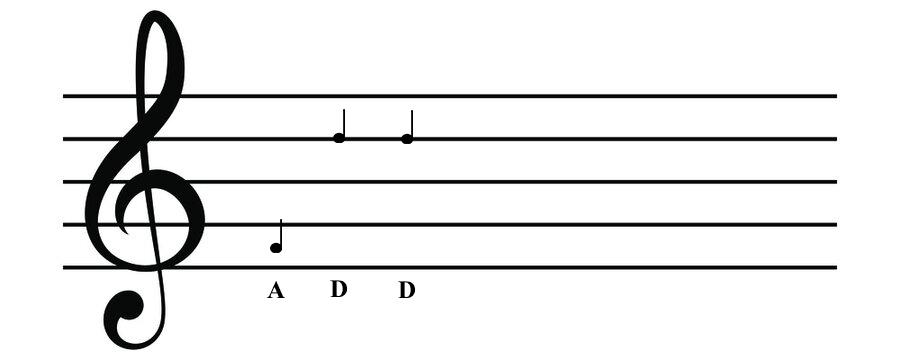
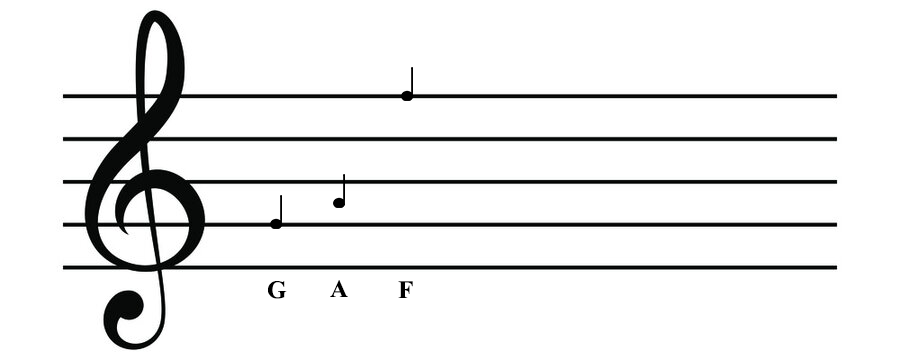
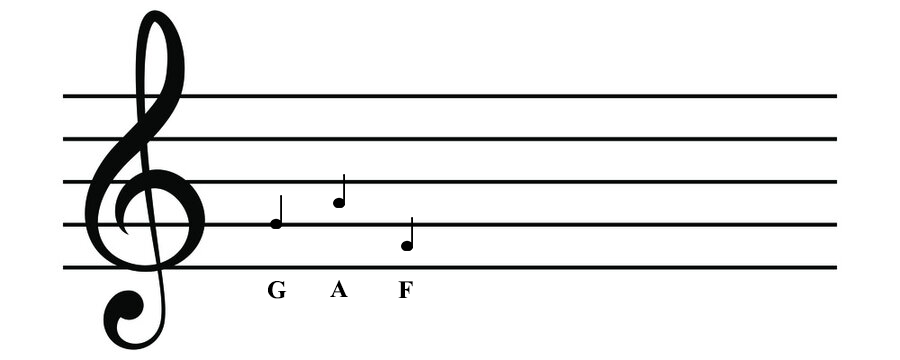
On the music manuscript provided, notate the following letters on the Treble Staff using crotchet or quarter notes:
(i)
GCE;
(ii)
ADD;
(iii)
GAF.
(b)
State the classification of musical instruments and give two examples each
(c)
A song has a treble clef staff below.
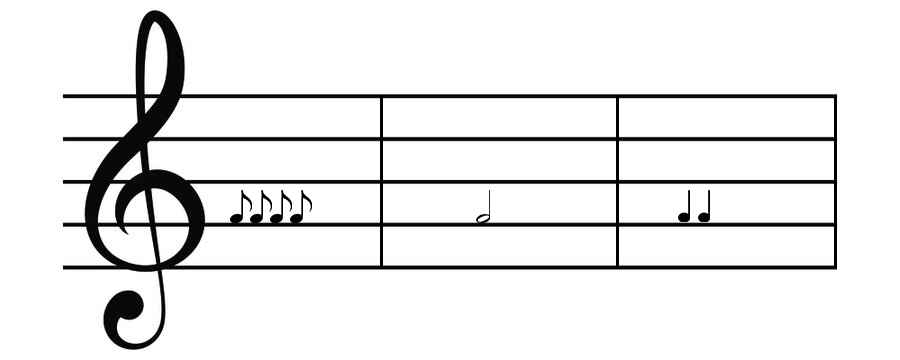
Identify the time signature for the song
(a)
Using the tonic solfa notation, write the members of the following:
(i)
Chord II;
(ii)
Chord III;
(iii)
Chord VII.
(b)
Explain the following Italian terms used in describing the speed of music:
(i)
allegro;
(ii)
poco a poco;
(iii)
largo.
(c)
Write short notes on any one of the following composers; focusing on his hometown, genre of words, one example of his works and contribution made to society.
(i)
J.H.K Nketia;
(ii)
Amakye Dede;
(iii)
Shatta Walle.
(a)
Your school is organizing a music and dance concert. State any two African dances the students could perform and state three musical instrument to use for each dance started.
(b)
Categorize the following dances in the table below:
DANCES: Fɔntɔmfrɔm, Kete, Adowa, Kundum, Gota, Nagla, Apatampa, Deeya, Takai, Atsiabgekɔ, Agbadza, Gahu, Bɔbɔɔbɔ, Kaptsa, Gome, Kpanlogo, Sikyi, Damba, Kple, Bamaaya (Bawa), Asafo
| RELIGIOUS | WAR | SOCIAL CULTURAL |
(c)
Write short notes on any one of the following performing art personalities; focusing on the profession, contribution to society and an example of any of their works:
(i)
Mohammed Ben Abdallah;
(ii)
Uncle Ebo White;
(iii)
Efua Sutherland.
(a)
Write the ethnic groups associated with the following dances.
| DANCE | ETHNIC GROUP | |
1. |
Bamaya |
|
2. |
Gahu |
|
3. |
Gota |
|
4. |
Nagla |
|
5. |
Takai |
|
6. |
Fɔntɔmfrɔm |
|
7. |
Adowa |
|
8. |
Kundum |
|
9. |
Apatampa |
|
10. |
Deeya |
|
11. |
Atsiabgekɔ |
|
12. |
Agbadza |
|
13. |
Kete |
|
14. |
Bɔbɔɔbɔ |
|
15. |
Kaptsa |
|
16. |
Gome |
|
17. |
Kpanlogo |
|
18. |
Sikyi |
|
19. |
Damba |
|
20. |
Kple |
|
21. |
Asafo |
(b)
(i)
What is facial expression in dance/drama?
(ii)
State and explain briefly three basic parts of the performance space.
(c)
Explain the following musical terms:
(i)
ballad songs;
(ii)
verse of a song;
(iii)
a bridge in a song.


Digital Address: GZ-033-0057
King Kotey Road
Teshie - Accra
Ghana
+233 54 753 9118
info@kuulchat.com

© Copyright 2015 - 2026
All Rights Reserved