
Finwaver.com
Your school or business runs better on finwaver.com. Sign up for free one (1) week try.
1.
The brain and the spinal cord are part of the
digestive system
circulatory system
respiratory system
nervous system
2.
Which of these is not a sense organ?
Eye
Ear
Nose
Skin
3.
The Central Nervous System consists of
the brain and the spinal cord
the brain and the ears
the spinal cord and eyes
the brain, eyes and ears
4.
Which of the following is characteristic of reflex action?
It happens slowly
It happens consciously
It takes a long path
It involves thinking
5.
All the following are sense organs except the
eye
brain
ear
skin
6.
Which of the following organs is the center of the Central Nervous System?
Kidney
Liver
Heart
Brain
7.
Which of the following is the sense organ for sight?
Skin
nose
eye
ear
8.
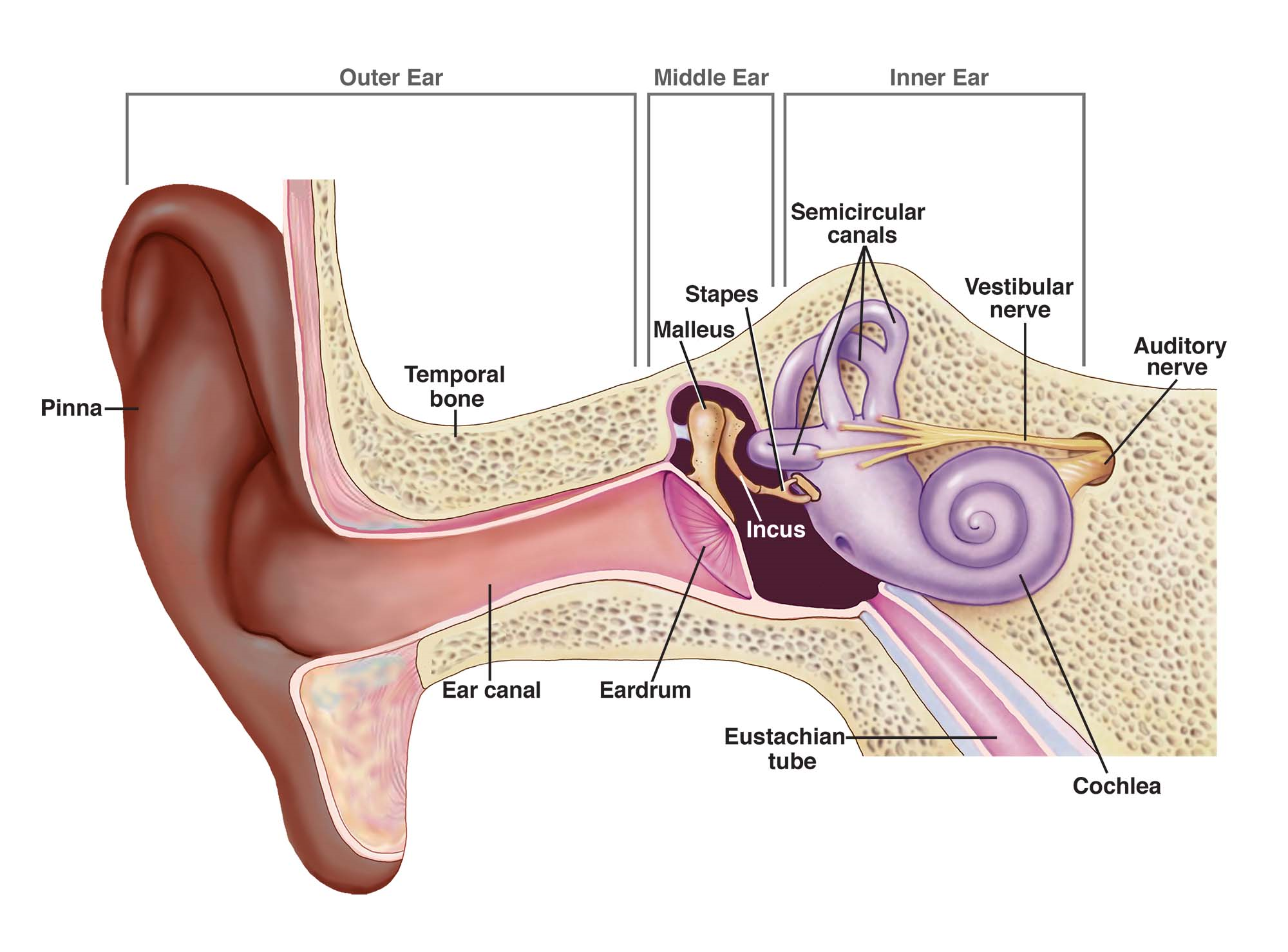
The outer ear is also referred to as
cochlea
tympanum
pinna
incus
9.
10.
The central nervous system is made up of the
Brain only
Spinal cord only
Brain and sense organs
Brain and spinal cord
11.
Which of the following is a structure in the ear?
Cornea
Cochlea
Iris
Retina
12.
The main parts of the central nervous system are the
brain and nerves
spinal cord and the nerves
brain and the spinal cord
brain, the nerves and the spinal cord
13.
Which of the following activities is a reflex action?
Eating
Fighting
Learning
Sneezing
14.
Which of the following parts of the human body are sense organs?
I. Tongue
II. Hair
III. Nose
IV. Skin
I and IV only
II and III only
I, II and III only
I, III and IV only
15.
Which of the following pairs of organs are part of the central nervous system?
Spinal cord and the eyes
Brain and spinal cord
Brain and the ears
Eyes and the ears
16.
The ear is the organ for detecting
colour.
heat.
scent.
sound.
17.
The part of the human ear which collect and direct sound waves is the
ear drum.
ear lobe.
ear canal.
semi circular canal
18.
One disease that affects the nervous system of humans is
filariasis.
measles.
poliomyelitis.
typhoid
19.
A reflex action involves the
brain and nerves.
bones and nerves.
brain and muscles.
spinal cord and nerves.
20.
Which of the following structures is not part of the central nervous systems?
Brain
Spinal cord
Nerves
Veins
21.
The outer ear consists of the
ossicles and eardrum.
cochlea and pinna.
ossicles and cochlea.
pinna and eardrum.
22.
Changes in pressure in the middle ear is regulated by the
ampullae.
cochlea.
eustachian tube.
ear drum.
23.
The central nervous system consists of the
spinal cord and spine.
brain and the nerves.
brain and the spinal cord.
skeletal system and skull.
24.
Which of the following diseases affects the central nervous system?
Cerebro Spinal Meningitis (CSM)
Poliomyelitis
Measles
Yellow Fever
25.
A reflex action involves the
brain and muscles.
brain and nerves.
spinal cord and muscles.
spinal cord and nerves.


Digital Address: GZ-033-0057
King Kotey Road
Teshie - Accra
Ghana
+233 54 753 9118
info@kuulchat.com

© Copyright 2015 - 2026
All Rights Reserved