Finwaver.com
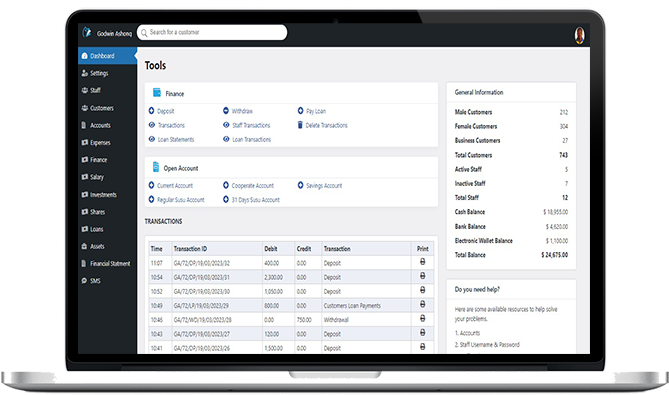
Your school or business runs better on finwaver.com. Sign up for free one (1) week try.
1.
Digestion of protein begins in the stomach and ends in the
large intestine.
small intestine.
appendix.
caecum.
2.
Digestion of rice in humans starts from the
stomach.
gullet.
mouth.
colon.
3.
Digestion of protein begins in the stomach and ends in the
large intestine.
small intestine.
appendix.
caecum.
4.
Starch is digested and absorbed into the blood as
soluble starch
water
glucose
fat
5.
The digestion of carbohydrates starts in the
mouth
throat
stomach
duodenum
6.
7.
Faeces is the
excretory products resulting from body activities
food which is digested
food in the mouth which is removed from the body
unwanted product of digestion which is removed from the body
8.
Which of the following classes of food can be broken down into amino acids?
Carbohydrates
Vitamins
Mineral salts
Fats and oils
9.
When bread is chewed for a long time, it tastes sweeter because it
is made from sugar and flour
is digested into simple sugar
mixes with saliva which is alkaline
is broken into smaller pieces
10.
Digestion is a process by which food is
transported in soluble form within the body of animals
broken down into tiny pieces in the mouth
moved through the alimentary canal
broken down to produce energy, water and carbon dioxide
11.
The reason for chewing food before swallowing is to
soften the food
make digestion faster
cause saliva to flow out
exercise the jaws
12.
What structure links the mouth with the stomach? The
duodenum
oesophagus
Ileum
trachea
13.
Which of the following does not play any part in digestion?
Mouth
duodenum
rectum
pancreas
14.
In which part of the alimentary canal is food finally changed into a form that can be absorbed into the bloodstream?
small intestines
oesophagus
mouth
stomach
15.
Digested food is absorbed into the blood stream through the
duodenum
large intestines
rectum
small intestines
16.
Which of the following form part of the alimentary canal?
I. Colon
II. Gullet
III. Liver
IV. Pancreas
I and II only
I and IV only
II and III only
II and IV only
17.
By the end of digestion, lean meat is turned into
amino acids
fatty acids
glycerol
glucose
18.
What structure links the mouth to the stomach
Colon
Duodenum
Oesophagus
Rumen
19.
Digestion of protein starts in the
duodenum
gullet
mouth
small intestine
20.
The end product of protein digestion is
amino acid.
glucose.
maltose.
poly-peptide.
21.
The substances which help in the digestion of food materials are called
enzymes.
hormones.
lymph.
mucus.
22.
The end-product of the digestion of carbohydrates is
amino acids.
fatty acids.
glucose.
glycogen.
23.
Digestion of starch in humans starts from the
gullet.
ileum.
mouth.
stomach.
24.
Which of the following substances is a digestive juice?
Blood
Bile
Sweat
Tear
25.
The irregular emptying of the bowels is the cause of
constipation.
diarrhea.
headache.
stomach ache.
26.
Digested food substances are absorbed into the blood stream in the
kidneys.
liver.
stomach.
ileum.
27.
Which of the following substances breaks down fats into tiny droplets during digestion?
Bile
Gastric juice
Pancreatic juice
Saliva
28.
Which of the following structures takes part in human digestion?
Caecum
Kidney
Larynx
Pancreas
29.
The chemical substances which help in the digestion of food are known as
enzymes.
hormones.
plasma.
vitamins.
30.
Digestion of proteins starts from the
duodenum.
ileum.
mouth.
stomach.
31.
Soluble digested food substances enter the blood of the human body by a process called
absorption.
egestion.
excretion.
ingestion.
32.
The farm animal which has crop as part of its digestive system is the
fowl.
goat.
pig.
sheep.
33.
Amino acids are the end-products of the digestion of
carbohydrates.
fats.
oils.
proteins.
34.
In which part of the digestive system of a fowl does grinding of feed take place?
Crop
Gizzard
Oesophagus
Proventriculus
35.
In the digestive system of ruminants, vitamins are synthesized in the
abomasum.
omasum.
reticulum.
rumen
36.
Which of the following food items produces amino acids as end-product of digestion?
Cabbage
Fish
Margarine
Rice
37.
Digestion of fats and oils in humans starts in the
colon.
gullet.
mouth.
duodenum.
38.
Which of the following enzymes helps in digestion of protein in the human stomach?
I. Proteases
II. Amylase
III. Lipases
I only
II only
I and II only
II and III only
39.
The end-product of digestion of fats and oils is
amino acid
glucose
maltose
fatty acid and glycerol
40.
Which of the following is not a function of the digestive system?
eliminate nondigestible wastes
eliminate nitrogenous wastes
ingest food
breakdown food to smaller, absorbable molecules
41.
Saliva contains the enzyme
amylase
lipase
pepsin
peptidase
42.
Which of the following is not a function of saliva?
moistens food
kills bacteria
removes microbes
begins digestion of protein
43.
Identify the two primary components of saliva.
Amylase and mucous
HCl and mucous
HCl and water
Mucous and water
44.
Identify the function of amylase.
Activates pepsin.
Aids in the digestion of carbohydrates.
Aids in the digestion of lipids.
Aids in the digestion of proteins.
45.
How long does food normally stay in the stomach?
2 to 6 hours
10 to 12 hours
1 to 2 hours
4 to 8 hours
46.
List the regions of the small intestine in the correct order from first to last.
duodenum, ileum, jejunum
ileum, jejunum, duodenum
duodenum, jejunum, ileum
jejunum, duodenum, ileum
47.
Where do the pancreatic enzymes function?
stomach
pancreas
duodenum of the small intestine
large intestine
48.
What is the function of bile?
neutralize chyme
emulsify fats
absorb amino acids
regulate cholesterol levels
49.
Bile is produced by the ...... and stored in the ......
gall bladder, small intestine
gall bladder, gall bladder
liver, gall bladder
stomach, small intestine
50.
Which of the following is not a normal function of the bacteria living in the large intestine?
breakdown some indigestible material
produce B-complex vitamins
produce vitamin K
cause disease and infection
51.
Both pepsin and trypsin primarily produce products called
amino acids.
maltose.
nucleotides.
peptides
52.
Which of the following is not a function of the liver?
Detoxification of the blood.
Bile secretion.
Digestive enzyme production.
Storage of glucose as glycogen.
53.
What substance is needed by the digestive enzymes to chemically break down food?
acid
heat
mucus
water
54.
The final products of the enzymatic digestion of carbohydrates (starch) are
amino acids
fatty acids
maltose
glucose
55.
Carbohydrates (starches) are chemically broken down in the
mouth and stomach.
stomach and small intestine.
mouth and small intestine.
pancreas and stomach.
56.
Identify the locations of protein digestion.
mouth and stomach
stomach and small intestine.
small intestine and mouth
pancreas and stomach
57.
he final product(s) of protein digestion is/are
glucose.
amino acids.
fatty acids.
peptides
58.
Enzymes for carbohydrate digestion come from all of the following sources except
gastric juices.
saliva.
intestinal brush border.
pancreatic juices.
59.
Enzymes for protein digestion come from all of the following sources except
gastric juices.
saliva.
intestinal brush border.
pancreatic juices.
60.
Fats, such as triglycerides, are chemically broken down into
amino acids and glycerol.
alcohol and water.
fatty acids and glycerol.
nucleic and fatty acids.
61.
Which of the following is the correct enzyme to break down lactose into glucose and galactose?
glucase
galactase
maltase
lactase
62.
Which of the following digestion products are not absorbed directly into the blood for distribution to the body?
glucose
fatty acids
amino acids
nucleic acids


Digital Address: GZ-033-0057
King Kotey Road
Teshie - Accra
Ghana
+233 54 753 9118
info@kuulchat.com
© Copyright 2015 - 2026
All Rights Reserved