
Finwaver.com
Your school or business runs better on finwaver.com. Sign up for free one (1) week try.
1.
All flowering plants end their life cycle with
seed formation.
seed development.
seed dispersal.
seed germination.
2.
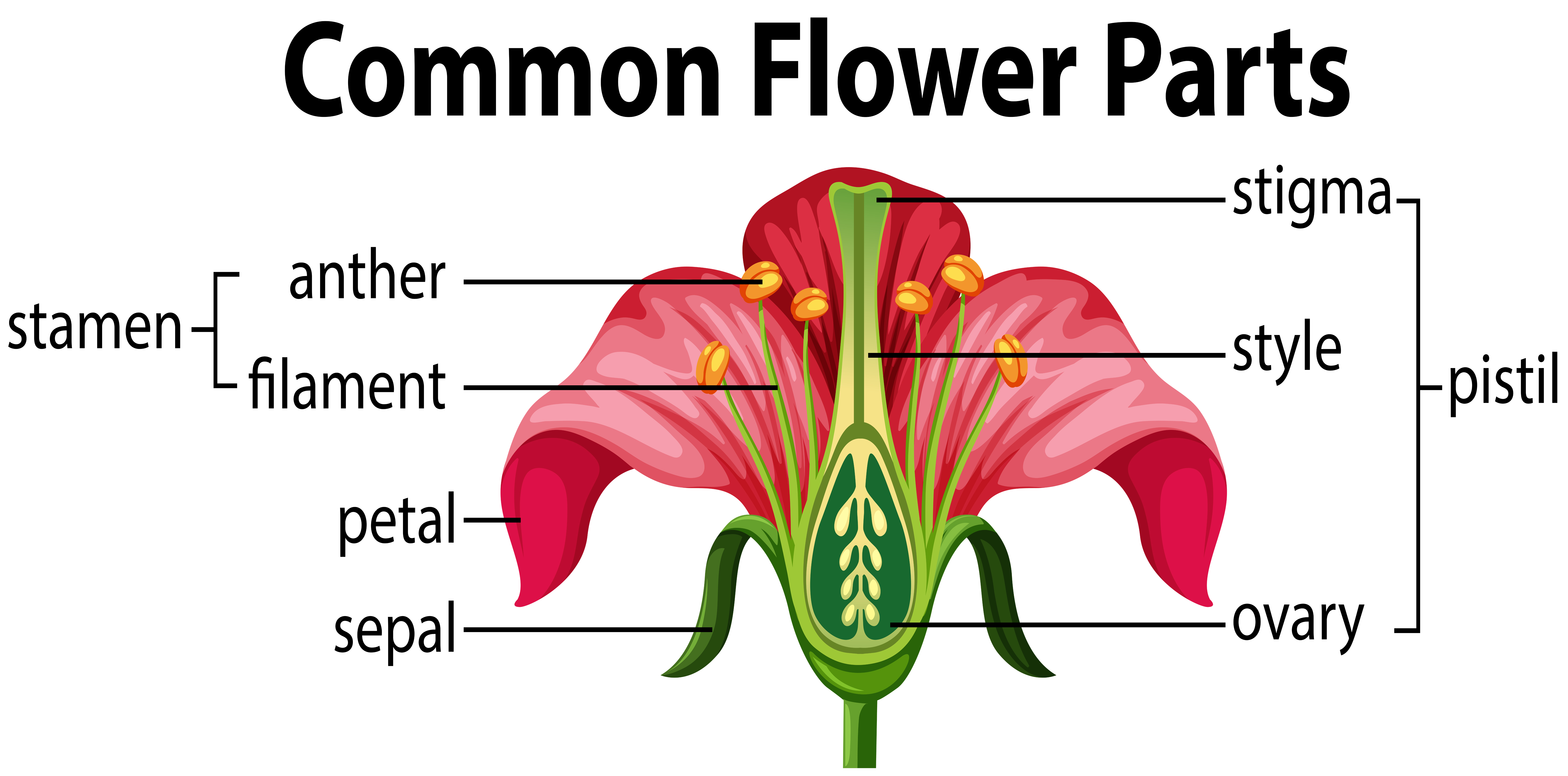
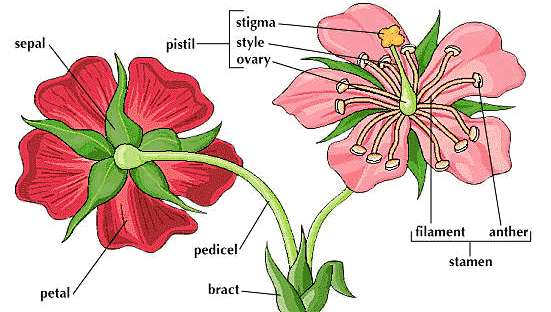
The ovary, style and stigma are collectively known as the
stamen.
pistil.
fruit.
stem.
3.
The shoot system of a flowering plant develops from the
radicle.
plumule.
cotyledon.
endosperm.
4.
Which of the following nursery beds is suitable for a flood prone area?
Plain bed
Sunken bed
Raised bed
Flat bed
5.
All flowering plants end their life cycle with
seed formation.
seed development.
seed dispersal.
seed germination.
6.
The main reason for staking tomato is to ensure
bigger fruit development.
air circulation on the farm.
upright growth of the plant.
that fruits do not get rotten.
7.
The ovary, style and stigma are collectively known as the
stamen.
pistil.
fruit.
stem.
8.
The shoot system of a flowering plant develops from the
radicle.
plumule.
cotyledon.
endosperm.
9.
Which of the following fruits is dispersed by water?
Coconut
Mango
Maize
Cocoa
10.
All the following plants reproduce sexually except
coconut
sweet potato
pawpaw
apple
11.
Fertilized ovules develop into
fruits
cotyledon
plumule
testa
12.
The part of the banana plant used in reproduction is called
sucker
rhizome
stem
tuber
13.
The part of the plant which is found in the soil is the
flower
stem
leaf
root
14.
A fertilized ovule results in the formation of
an ovary
a style
a pistil
a stigma
15.
Which of the following is a rhizome?
Potato
Ginger
Onion
Cocoyam
16.
When the testa of a soaked bean is removed, the seed is seen to be made up of mainly
micropyles
hilum
radicle
embryo
17.
Stem cutting is used in propagating cassava because it
gives rise to roots and leaves
stores food in the stem
gives rise to big tubers
gives rise to small tubers
18.
Which of the following is a horizontal underground stem?
Cocoyam
Onion
Carrot
Yam
19.
Which of the following insects is an agent of pollination?
Mosquito
Housefly
Bee
Ant
20.
The edible part of the mango fruit is called
endocarp
drupe
fibre
mesocarp
21.
Which of the following is a function of prop roots? They
Store starch in the swollen branch roots
Take in air for respiration
Hold the plant more firmly in the soil
Develop into storage roots
22.
Which of the following fruits is adapted for dispersal by air?
Succulent fruit
Brightly coloured fruit
Sticky fruit
Hairy fruit
23.
A beneficial effect of wind on the environment is
promotion of photosynthesis in green plants.
pollination in flowering plants.
leaching in soils.
erosion in soils.
24.
In flowering plants, the stamen is made up of
anther and stigma.
anther and filament.
stigma and filament.
stigma and style.
25.
A viable seed is one that
germinates under suitable conditions.
contains oil.
develops from fertilized ovary.
has a pericarp.
26.
The part of the flower that contains nectar is called
anther.
petal.
ovary.
sepal.
27.
Fruits which are dispersed by wind are likely to be
dry.
hairy.
juicy.
sticky.
28.
Viable seeds are ones that
are able to germinate under suitable conditions.
are eaten by animals after planting.
contain a lot of oil.
have hard seed coat.
29.
The part of the plant where pollination occurs is the
flowers.
leaves.
roots.
stems.
30.
Fruit dispersed by wind
Have hairs
Are sticky
Are succulent
Have hooks
31.
The part of the flower that develops into a fruit is the
ovary.
ovule.
stamen.
style.
32.
One of the characteristics of wind pollinated flowers is that they
are large and conspicuous.
are usually scented.
have nectar.
have feathery stigma.
33.
The ovules in a flower develop to form the
fruit.
leaf.
seed.
stem.
34.
The carpel of a flower is made up of the following parts except
filament.
ovary.
style.
stigma.
35.
The part of the flower that produces pollen grains is the
stamen
filament
petal
anther
36.
A fruit in which the pappus has been modified into a parachute structure is dispersed by
explosion
mammals
water
wind


Digital Address: GZ-033-0057
King Kotey Road
Teshie - Accra
Ghana
+233 54 753 9118
info@kuulchat.com

© Copyright 2015 - 2026
All Rights Reserved